
For physicians and practice administrators alike, few things are more valuable than time. Yet too often, the morning begins not with patient care, but with a pile of unfinished charts. Possibly a scramble to review yesterday’s notes. If your team starts the day already behind, the rest of the schedule doesn’t stand a chance.
This is where pre-charting makes a meaningful difference.
What is Pre-Charting?
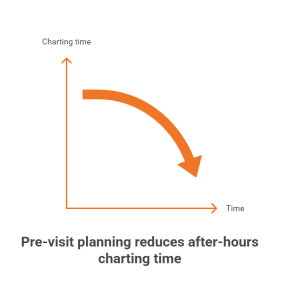
Pre-charting involves preparing patient notes in advance. A review of histories, updating problem lists, verifying medications, and drafting templates for the day’s appointments. When done well, it empowers physicians to walk into every exam room with clarity and confidence rather than a cloud of administrative clutter.
And the numbers support it. According to a 2022 study published in The Journal of the American Board of Family Medicine, practices that incorporated pre-charting into their documentation workflow reduced time spent on documentation outside clinic hours by 20%. Another report from the American Medical Association noted that physicians with structured support for pre-visit planning, including pre-charting, experienced higher job satisfaction and lower burnout.
But pre-charting doesn’t just lighten the physician’s mental load. It improves the entire rhythm of the practice. Appointments run closer to schedule, and staff aren’t constantly adjusting downstream tasks. The pressure to chart late into the night begins to ease.
Pre-Charting and Medical Scribing: A Natural Fit
Medical scribes are already integral to reducing documentation burdens during visits. But the benefits of a well-trained scribe extend even further when they also pre-chart. At DataMatrix Medical, our scribes support providers before the patient walks through the door. We lay the groundwork for more efficient, informed, and focused care.
It’s worth asking: If you’re using a scribe service, are they helping you stay ahead of the day, or just keeping up or should I compare a direct hire medical scribe vs remote medical scribe?
Why Pre-Charting Matters for Workflow Efficiency
Think of pre-charting as preventive care for your practice’s schedule. By proactively addressing delays, bottlenecks, and documentation errors, you’re creating space for smoother operations.

- Fewer surprises: Providers enter each visit with key details already reviewed and ready, reducing cognitive overload and improving decision-making. A study from the Annals of Family Medicine found that physicians with access to structured patient summaries before visits were 27% more likely to adhere to evidence-based guidelines during care delivery. With pre-charting, less time is spent searching for missing data, and more time is devoted to clinical reasoning and patient interaction.
- More face time with patients: Less screen time during the visit means more connection, better communication, and improved satisfaction. A 2021 study in Health Affairs found that physicians who minimized in-visit EHR use, enabled in part by pre-visit prep, reported higher levels of patient engagement and trust. Pre-charting supports more human-centered care and improves patient-reported experiences by reducing the need to toggle between keyboard and conversation.
- Shorter end-of-day wrap-ups: When much of the groundwork is done upfront, post-visit documentation takes less time and energy. According to a 2023 time-motion study published in BMJ Open, physicians who leveraged pre-visit planning, including pre-charting, reduced their after-hours charting time by hours per day. That’s not just time for productivity improvements that can be redirected to patient follow-ups, personal well-being, or practice development. Over the week, it adds up to a full workday regained.
The Ripple Effect Across the Team
The entire care team feels the impact when pre-charting is built into your documentation workflow.
Picture this: Consider a mid-sized orthopedic clinic in the Northeast. Before implementing pre-charting, its nurses regularly spent the first 90 minutes of each day tracking down missing details from the prior day’s visits, and its billing department was two days behind on claims submissions due to incomplete charts.
After incorporating pre-charting with their medical virtual assistant and scribe team, those same nurses began each day with fully prepped notes, cutting morning prep time by more than half. The billing team, in turn, was able to submit claims within 24 hours, reducing denials and speeding up revenue cycles. Just think of it. How great does that sound?
When pre-charting becomes a habit rather than a hassle, everyone gains time, and patients receive more attentive, better-coordinated care.
A Quiet But Powerful Shift
Pre-charting isn’t flashy. But it’s transformative. It’s the kind of change that doesn’t just help one doctor get home on time. It allows the entire practice run with greater intention and less chaos.
It may be time to reassess whether your current workflows don’t include pre-charting or your scribes aren’t equipped to do it. Moving from backlog to balance doesn’t take a miracle. It just takes a more innovative process.
And sometimes, a better scribe.

Nathaniel Smathers is the VP of Client Education and Marketing. He is also a long time contributor of the DataMatrix Medical blog and has a background in healthcare content creation for over a decade. Nathaniel is passionate about exploring the intersections of healthcare, data analysis, and digital innovation.