
Biologics have transformed dermatology, offering effective treatments for conditions like psoriasis, eczema, and other chronic skin diseases.
However, obtaining prior authorization for biologics can feel like navigating a complex maze, especially for smaller dermatology practices with limited administrative resources. Denials are frustrating, delaying patient care and increasing the administrative workload. But the good news is that most biologic authorization denials are preventable.
Understanding Biologics and Their Prior Authorization Challenges
Biologics represent a groundbreaking class of medication derived from living organisms. They offer targeted therapies for previously difficult-to-manage chronic dermatological conditions. Since their introduction in dermatology over two decades ago, biologics have significantly improved patient outcomes, especially for those with severe psoriasis and eczema who do not respond adequately to traditional therapies.
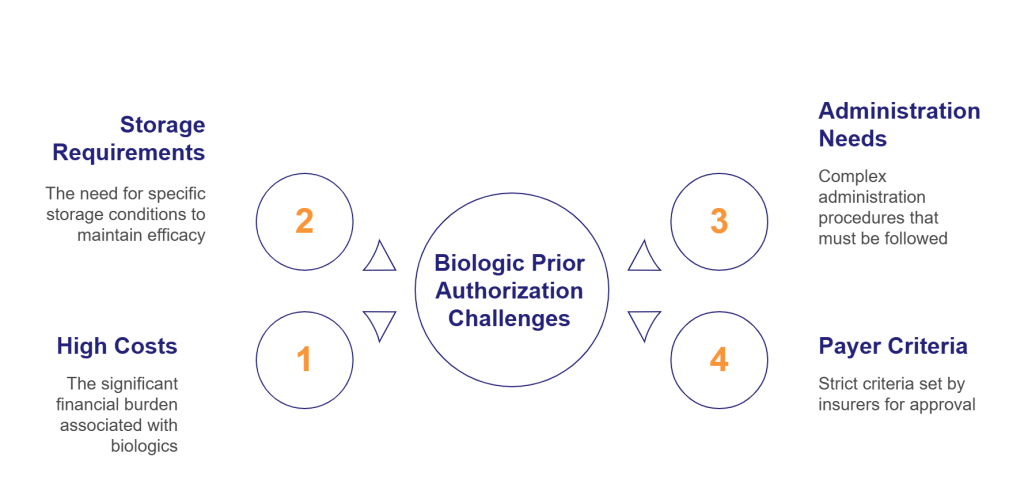
However, securing prior authorizations for biologics differs from securing prior authorizations for other medications or prior authorizations for DMEs due to their high costs, specific storage and administration requirements, and payer-imposed strict clinical criteria. Insurers often apply rigorous review processes and stringent documentation standards to ensure biologics are medically necessary before approval, making biologic prior authorization uniquely complex compared to conventional treatments.
Let’s uncover the prior authorization challenges in dermatology related to biologic prior authorization denials and outline effective strategies to avoid them.
Top Reasons for Biologic Prior Authorization Denials
Understanding Why Biologic Prior Authorization Denials Happen: You’ve carefully prepared your submission, but the denial comes back anyway. Sound familiar? Here’s why it’s happening and how to avoid these common pitfalls:
1. Insufficient Clinical Documentation: The most frequent reason for denial is inadequate documentation demonstrating medical necessity. Insurance providers require detailed records clearly outlining why the biologic is essential for the patient. Dermatology practices must ensure clinical notes thoroughly explain the diagnosis, previous treatments tried, and why a biologic is the next logical step. Think of it as building your case—every detail matters, and vague notes won’t convince insurers.
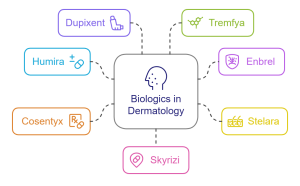 Let’s take a moment here before we jump into the following reasons for the high denial rates for biologics. Based on the last couple of years, we have seen that the following biologics used in Dermatology have higher insurance denial rates than others:
-
- Humira (adalimumab)
- Enbrel (etanercept)
- Stelara (ustekinumab)
- Cosentyx (secukinumab)
- Dupixent (dupilumab)
- Tremfya (guselkumab)
- Skyrizi (risankizumab)
These biologics frequently experience denials due to their high costs and specific insurance approval criteria, emphasizing the need for meticulous documentation and thorough preparation. On the next reason for denials.
2. Incorrect or Missing Patient and Provider Information: It seems simple, but minor mistakes like typos or missing NPI numbers can lead to immediate denials. Imagine entering your password incorrectly—just one wrong character blocks access. Before submission, always verify patient names, birthdates, insurance details, and provider credentials. Double-checking these details upfront can significantly reduce headaches down the road.
3. Failure to Meet Step Therapy Requirements: Many insurers require step therapy documentation, where patients must have tried and failed other treatments before biologics are approved. Missing documentation or incomplete records demonstrating prior therapies can trigger immediate denials. For example, one dermatology practice faced repeated denials because documentation failed to show clearly that patients had previously tried topical steroids and phototherapy before requesting biologics. After implementing a standardized process for capturing detailed treatment histories, their denial rates significantly decreased.
4. Expired Prior Authorizations: Like prescription refills, prior authorizations for biologics expire. Forgetting to renew authorizations promptly can result in care interruptions. Implementing a tracking system for authorization expirations ensures timely renewals. Set reminders well before expiration dates to avoid disruptions in patient care and prevent unnecessary resubmissions.
5. Incorrect Coding and Diagnostic Mismatches: Incorrectly entered CPT or ICD-10 codes, or mismatches between diagnoses and biologic treatments, can lead insurers to deny requests. Think of it like calling the wrong number—you won’t reach the intended destination. Regular training and accurate coding audits can prevent these costly mistakes.
How to Avoid Biologic Prior Authorization Denials
Now that we’ve identified common denial reasons, here’s how your dermatology practice can proactively address them:
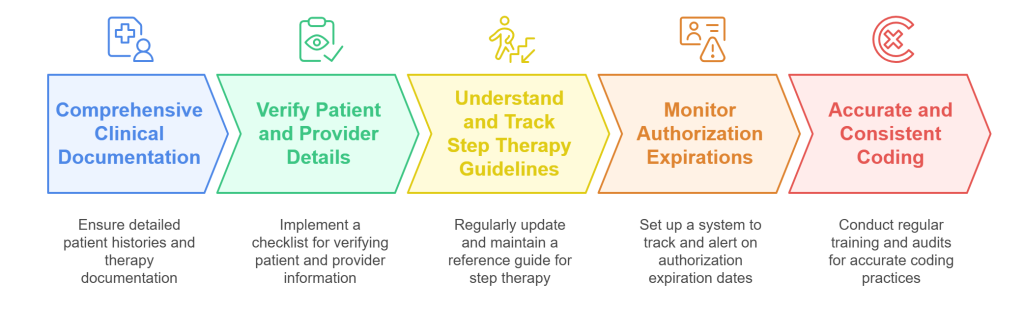
- Comprehensive Clinical Documentation: Work closely with your providers to ensure documentation explicitly justifies biological necessity. Clearly, document prior therapies attempted and provide detailed patient histories. Strong documentation upfront prevents avoidable appeals and resubmissions, saving valuable administrative time. For instance, a practice recently faced multiple denials because clinical notes merely stated “psoriasis” without specifying previous treatments or the severity of symptoms. Approval rates significantly improved after adopting detailed notes—including prior therapies, their outcomes, and clear justification for biologic use.
- Verify Patient and Provider Details: Adopt a standard process to double-check patient information and provider credentials. For example, a small dermatology practice recently implemented a checklist for verifying patient insurance IDs and provider NPIs before submission. This simple change led to a noticeable reduction in authorization denials and administrative rework. Treat each submission like booking airline tickets—precision and accuracy are essential to avoid frustrating cancellations or delays.
- Understand and Track Step Therapy Guidelines: Regularly update your team on insurer requirements for step therapy. Maintaining comprehensive treatment histories allows you to address these prerequisites efficiently. A quick reference guide or checklist can help administrators meet all step therapy criteria before submission.
- Monitor Authorization Expirations: Implement a reliable tracking system to monitor biologic authorization expiration dates. For example, one dermatology clinic introduced an automated alert system that sent weekly reminders to the administrative team about upcoming expirations. This allowed them to proactively submit renewal requests, dramatically reducing treatment interruptions and improving overall patient satisfaction.
- Accurate and Consistent Coding: Regularly train administrative staff in accurate coding practices, emphasizing the importance of correct CPT and ICD-10 codes. Routine audits and updated coding resources can significantly reduce the risk of costly denials.
Streamlining Biologic Prior Authorizations:
Navigating biologic prior authorizations doesn’t have to be overwhelming. By proactively addressing common denial reasons, dermatology practices can dramatically improve their authorization success rate. By embracing these strategies, administrators can streamline approvals, reduce administrative burdens, and ensure timely patient access to vital biologic treatments.


Nathaniel Smathers is the VP of Client Education and Marketing. He is also a long time contributor of the DataMatrix Medical blog and has a background in healthcare content creation for over a decade. Nathaniel is passionate about exploring the intersections of healthcare, data analysis, and digital innovation.